

Tomodachi Life was Nintendo’s strangest success stories on the Nintendo 3DS. Released in 2013 as the follow-up to the Japan-exclusive Tomodachi Collection, the series transformed Miis from simple avatars into unpredictable digital personalities.
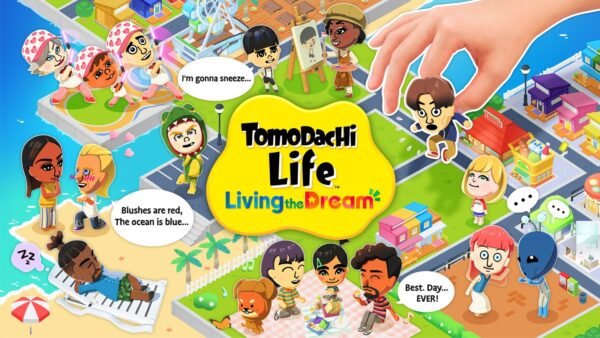
From what I’ve read and watched on YouTube, relationships formed, arguments exploded, songs were sung terribly, and players consumed hours watching chaos unfold.
More than a decade later, Tomodachi Life: Living the Dream arrives on the Nintendo Switch 1 and 2 and after spending time with it as someone completely new to the franchise, I finally understand why my local Switch 2 WhatsApp group members were desperate for a sequel and why critics remain divided on the formula.
Initially the game feels a bit shallow and underwhelming.
You create Miis, place them on your island, solve simple requests, decorate spaces, feed them food, and watch interactions play out. There’s no real story, no major sense of progression, and very little direct control once the systems begin moving. Compared to the different but somewhat similar Pokopia, it can initially feel a bit under seasoned.
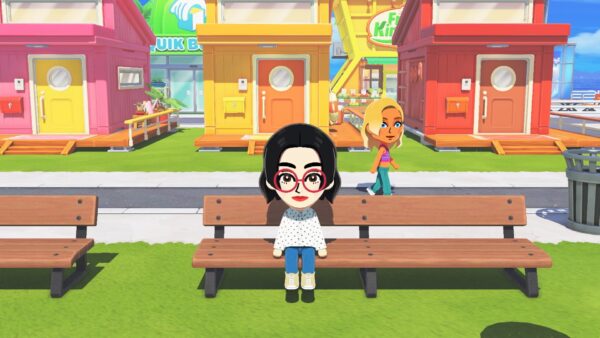
The thing is, Tomodachi Life: Living the Dream only really starts once your island becomes populated enough.
My first few hours felt more like setup than an actual game. But once we – my wife and I took turns playing through this, introduced enough Miis the experience changed completely. We decided to populate the island with family members, and my side has a lot of folks, so within a few days the island felt like the portal scene in Avengers Endgame.
Interesting rivalries formed and unexpected friendships appeared with conversations becoming increasingly absurd. One moment you’re helping someone pick a new outfit, the next you’re watching two Miis talk about their love of New York Mayor Zohran Mamdani, not that he is natively the game, at least I don’t think so, but he was one of the many conversation topics we seeded, along with chicken curry, video games and DIY projects.
The more Miis you add, the more interconnected the simulation becomes. Eventually, it starts less like a traditional game and more like a bizarre reality show powered by Nintendo humour. That unpredictability becomes the real reward.
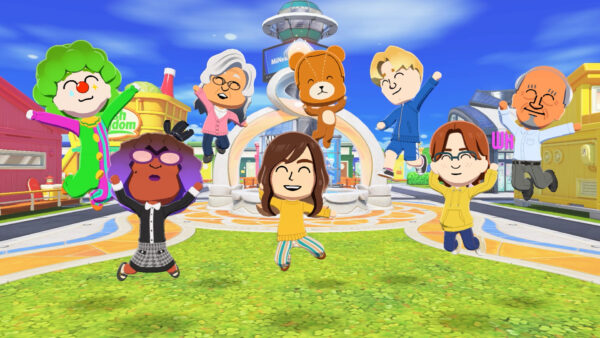
Nintendo has also significantly expanded the Mii creator tools. There are far more facial options, accessories, expressions, and customisation features than older Mii systems allowed. Even as someone who never really cared much about Miis before, I found myself spending far too much time recreating family members.
I wish it wasn’t such a slog though. Would have been cool if we could import Miis like how I can download other people’s creations in the WWE games (Create a Wrestler) or use the camera accessory on the Switch 2 to get more accuracy. The prompt system is good but you really have to be in the mood to go through the motions.
I was hoping to transfer some pics of my island and creation for this review from my Switch 2 to the Nintendo mobile app but for some strange reason Nintendo doesn’t allow you to do that. Bummer. Check out my socials for pics I took off my TV.
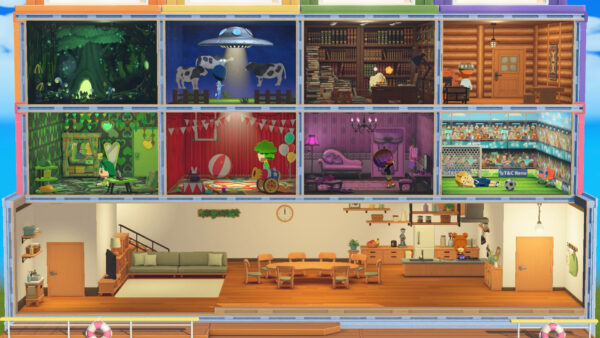
There’s also something surprisingly clever about how the game encourages shorter daily play sessions. You log in, solve a few problems, discover some strange new interaction, and move on. It’s not the kind of game I wanted to sit and binge for a few hours straight, but it became part of my routine.
The lack of direct control can sometimes make interactions feel detached. Certain systems still feel overly simplistic considering how long Nintendo spent developing the sequel.
Visually, the game keeps Nintendo’s clean and expressive Mii aesthetic intact. It’s colourful, charming, and surprisingly lively once your island becomes busy enough. The robotic voice system also returns, and while it still sounds awkward, that awkwardness somehow becomes part of the charm.

Value for money will depend entirely on how much creativity you bring into the experience. If you only create a handful of Miis and expect structured objectives, the novelty evaporates quickly. If you fully embrace the chaos and continuously expand your island, you will find a fair amount to entertain you. This is one of those rare Nintendo games where the player largely creates the experience themselves, a sandbox in a very true sense.
It won’t appeal to a lot of people, and I completely understand why some players bounce off the formula. But after spending enough time with it, I see some of the appeal, I just don’t know whether I’ll come back to it and at roughly R1 100 for the game, it’s a big ask. It’s experimental enough that I wish it was priced better as there is value in the game, there just isn’t enough for me to keep playing. This might change and I will do a retrospective if it does.
Final Verdict
Tomodachi Life: Living the Dream is weird, repetitive, occasionally aimless, and somehow incredibly entertaining once it clicks. Nintendo hasn’t reinvented the formula, and longtime fans may understandably miss parts of the original experience, but the sequel still succeeds where it matters most. The more time and imagination you invest into your island, the more rewarding and chaotic the experience becomes.
7.0 Score
Pros
- Genuinely funny moments
- Becomes richer as your island grows
- Perfect for short daily sessions
- Strong personality and charm
Cons
- Slow opening hours
- Repetitive tasks remain
- Limited direct gameplay control
Final Verdict
Tomodachi Life: Living the Dream is weird, repetitive, occasionally aimless, and somehow incredibly entertaining once it clicks. Nintendo hasn’t reinvented the formula, and longtime fans may understandably miss parts of the original experience, but the sequel still succeeds where it matters most. The more time and imagination you invest into your island, the more rewarding and chaotic the experience becomes.


Recharged is an independent site that focuses on technology, electric vehicles, and the digital life by Nafisa Akabor. Drawing from her 19-year tech journalism career, expect news, reviews, how-tos, comparisons, and practical uses of tech that are easy to digest. Nafisa is a traveller at heart, having been to 46 countries and counting. Find her edutainment videos covering tech, EVs and travel on TikTok.