

As millions of fans worldwide are preparing for the FIFA World Cup, cybercriminals are exploiting this interest.

Kaspersky experts have found various scams that mimic official tournament resources or use the event for unsafe purposes, putting users’ data and finances at risk.
Fraudulent websites and email campaigns are targeting FIFA World Cup fans, offering tickets, merchandise, and fake prizes. These scams aim to steal money and personal information, using official branding and enticing offers to deceive users.
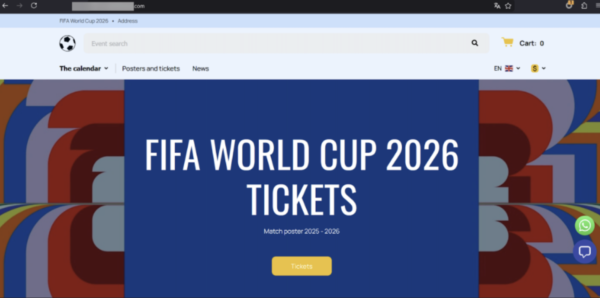
One of the websites it uncovered includes accepting payments in all currencies, while another offers merchandise with steep discounts with the addition of a “trusted store” badge on the site.
Anna Lazaricheva, senior spam analyst at Kaspersky says major sporting events that attract large audiences are never overlooked by scammers.
“Seemingly harmless or even appealing emails can often conceal not only dangerous links and malicious attachments. In some cases, careless interaction with such messages can lead to serious device infections,” says Lazaricheva.
We recommend that users ignore any suspicious emails and websites to protect their financial assets and keep their devices and personal data secure, she adds.
Kaspersky’s tips to avoid falling victim to scams:
- Check the authenticity of websites before entering personal data and only use official webpages. Double-check URL formats and organisations name spellings.
- Always choose official and reputable streaming platforms to protect your personal data from theft and misuse.
- Enable multi-factor authentication and monitor accounts: Activate 2FA on IDs and financial apps, and regularly review statements for unauthorised activity
- Do not trust any links or attachments received by mail; double-check the sender before opening anything.
- Double-check e-shop websites before filling out any information: is the URL correct? Are there any spelling errors or design bugs?
Meta shares tools to avoid scams
Meanwhile, Meta has announced an increase in AI-powered scams ahead of the World Cup. It launched anti-scam tools to spot and avoid scams, alongside a partnership with law enforcement and industry peers to hold scammers accountable.
On Facebook, there will be a pop-up notification to remind users to get tickets from verifiable sources.
The company says when people search for terms related to FIFA World Cup tickets on Facebook or visit related Groups, we’ll remind them what to look out for before buying tickets, and also share links to our reporting tool so they can report suspicious content or accounts.
It has partnered with the Canadian Anti-Fraud Centre (CAFC), Stand Against Scams and the Canadian Anti‑Scam Coalition, alongside Mexico’s Mexico’s Consumer Protection Agency for awareness campaigns like how to spot scams.
The company will also remove threats and hateful conduct towards players and fans, following its bullying and harassment policies.
It urges users on Instagram to also make use of its “Hidden Words” filter for comments and DMs to remove offensive words, phrases, emojis, and scam/spam content they don’t want to see.

“For comments, you can choose to hide “some” comments on your posts or “more” for even higher levels of protection. You can also customize your own Hidden Words list to filter out DM requests or comments that include those specific words. Facebook will be rolling out a similar setting for FIFA World Cup tournament athletes and teams to hide comments with potentially offensive content.”
Another feature users can turn on is “Limit Interactions” where it temporarily restricts comments and DMs from specific groups of people, including those who don’t follow you or only recently followed you.
The company says they’ve made it harder for abusers to reach people by simply creating a new profile. “We’ve also rolled out nudges on Instagram that prompt people to reconsider before posting something that may be hurtful.”
Scam warning ahead of FIFA World Cup


Recharged is an independent site that focuses on technology, electric vehicles, and the digital life by Nafisa Akabor. Drawing from her 18-year tech journalism career, expect news, reviews, how-tos, comparisons, and practical uses of tech that are easy to digest. Nafisa is a traveller at heart, having been to 46 countries and counting. Find her unique travel tips and tricks on TikTok alongside tech & EV content.



