
Lexus released its second EV this year, following the launch of the Lexus RZ in February 2026. The new executive sedan, the Lexus ES 350e SE is the first electric model in the eighth-generation ES lineup, alongside two hybrid offerings.
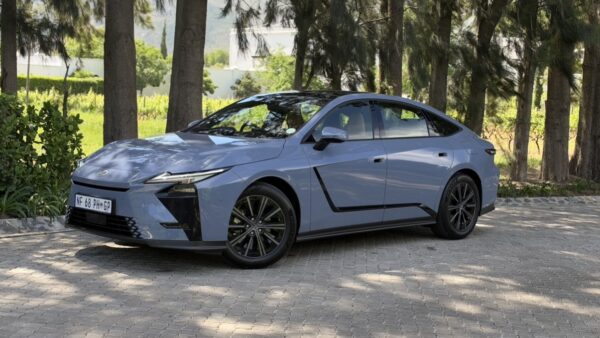
It is refreshing to see a brand release a sedan in an SUV-crowded market like South Africa. The new ES features a striking design that is unmistakably Lexus, a generous cabin and a range of new technologies. The three derivatives on offer are:
- ES 350h EX – R1 051 200
- ES 350h SE – R1 232 700
- ES 350e SE – R1 561 000
Both the 350h variants are powered by Lexus’ 2.5L self-charging hybrid system, and the 350e, which naturally caught my attention, is powered by a front-mounted electric motor, and will be the focus of this piece.
It’s a different proposition from the RZ. Rather than making a statement with performance or unusual steering tech, the ES is offers a traditional luxury experience, just without the petrol engine. But at R1.56-million, it is aimed at a very niche audience.
LEXUS ES 350e SE QUICK LOOK
- 167kW and 268Nm of torque
- 74.69kWh battery
- Up to 615km claimed range (NEDC)
- 0-100km/h in 8 seconds
- 22kW AC charging
- 150kW DC charging
- Warranty and Maintenance: 7 years/105 000km
- Battery warranty: 8 years/160 000km
A BIGGER PRESENCE
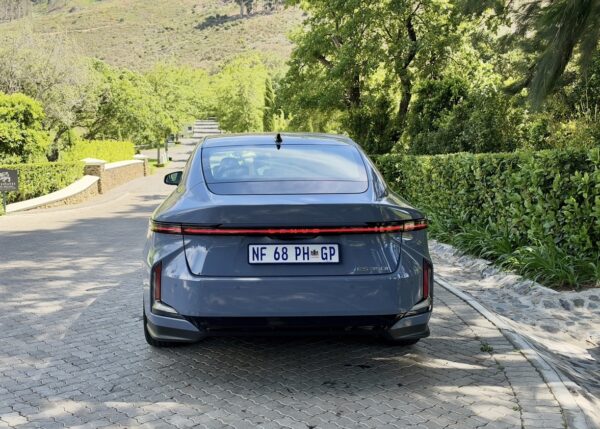
The new ES is 5140mm long with a 2950mm wheelbase than its predecessor; so 165mm and 80mm longer respectively. Its wider stance, updated spindle body with a recessed grille and Twin L headlights create a distinctive look.
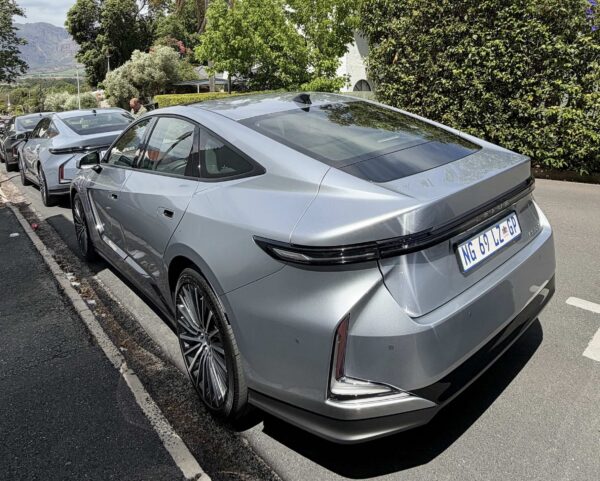
The electric model is identified by 21-inch multi-spoke wheels and electric badging. It’s a blend of modern style with executive appeal. It is a large car but doesn’t look bulky. Lexus did a good job giving it a modern appearance without losing its executive character, which would appeal to anyone shopping for a luxury sedan.
A CABIN THAT’S CLEVER
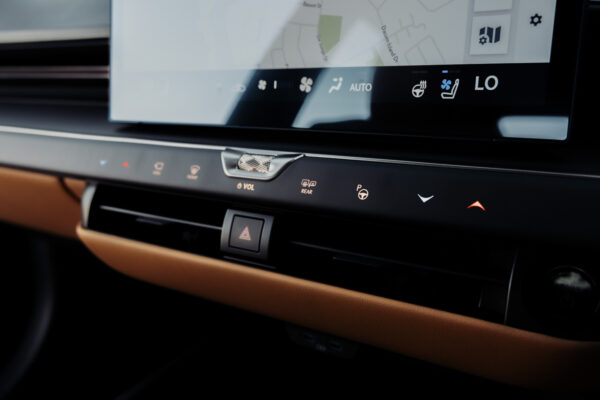
Inside, the ES has a clean dashboard layout, with technology integrated into the design, through Lexus’ clever little Hidden Switches. These are integrated beneath the dashboard upholstery and is invisible when the car is switched off. Once you start it, the controls illuminate and emerge through the surface.
The ES 350e SE gets semi-aniline leather upholstery, heated and ventilated front seats, a 10-way electrically adjustable driver’s seat, four-way lumbar adjustment for both front seats and not one, but two wireless charging pads.
The dashboard features a 14-inch infotainment screen, alongside a 12.3-inch digital instrument cluster. The larger infotainment display gives the cabin a more contemporary feel, while the redesigned interface keeps the main functions within easy reach. Lexus has also retained physical, tactile controls for selected functions, rather than putting absolutely everything behind a touchscreen.
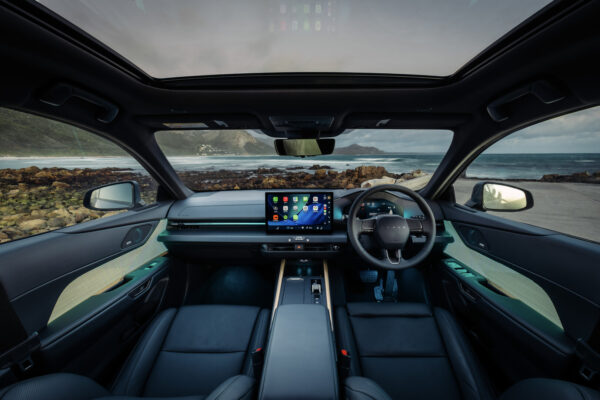
One thing to note about the South African-shipped vehicles is that there is currently no wireless Apple CarPlay support. It was an error for the batch, tied to the whole of Africa, but it will come via a future software update, according to Lexus SA.
There’s also a digital rear-view mirror, rear-door sunshades and a Head-Up Display. The electric model gets Adaptive Variable Suspension and Active Sound Control, along with Lexus’ Easy Closer Doors.
The boot measures 462L, which is slightly larger than the 441L offered by the hybrid models.
COMFORT COMES NATURALLY
If there’s one area where the ES feels unmistakably like a Lexus, it’s the cabin refinement. I found it exceptionally quiet and comfortable to drive. Lexus does a good job of keeping outside noise where it belongs, with the cabin feeling nicely insulated from the road and surrounding traffic.
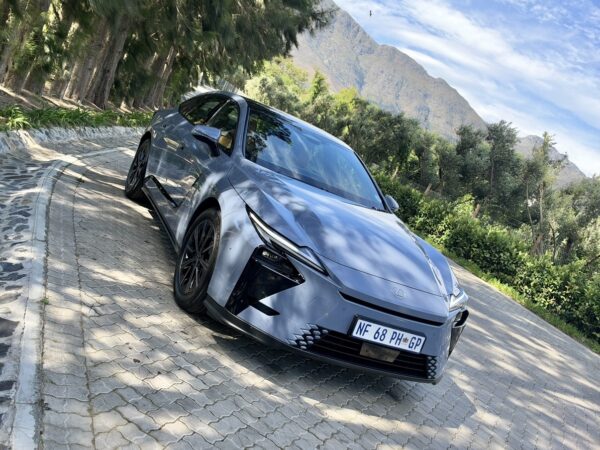
The driving position also feels ergonomic, with everything laid out in a way that makes the car easy to settle into. It’s luxurious without being unnecessarily complicated, and the overall experience is one of calm rather than trying to impress you with how quickly it can get from A to B. That’s one of its strongest qualities and why anyone would go for it.
The new platform, increased structural rigidity and revised suspension are intended to improve ride quality and handling. The rear suspension also moves to a multi-link arrangement, a first for the ES. The electric model gets Adaptive Variable Suspension, allowing it to balance ride comfort with a more responsive driving experience.
For those who value a quiet, comfortable executive sedan, Lexus understood the assignment.
THE RANGE REALITY
The ES 350e SE has a front-mounted electric motor with a 167kW output and 268Nm of torque, powered by a 74.69kWh nett battery. It goes from 0–100km/h in 8 seconds, with a top speed capped at 160km/h.
Not quite performance EV figures given the price point, but it’s not what the ES is about. Power delivery is measured, with emphasis on smooth acceleration and a relaxed driving experience.
Lexus quotes a range of up to 615km on the NEDC cycle, but in SA we typically use WLTP figures, like in Europe. When we got into the car during the launch drive, the battery was at 91%, but the displayed range was just 372km. You can immediately tell that NEDC figures are more generous and not a reflection of real-world usage, which WLTP accounts for.
That said, the onboard estimated range is based on driving conditions and previous consumption figures, which is how the car predicts range. But it does give you an indication of the range the vehicle was estimating at the time.
The ES is definitely a comfortable car to take a long distance roadtrips and if you’re eying the N3 route between Johannesburg and Durban, the range shouldn’t be an issue with around 8 charging stops along the N3 now. Based on the GridCars Live Map and Zero Carbon Charge opening 2 chargers this year.
The charging setup supports DC fast charging at up to 150kW and AC charging at up to 22kW. Lexus says a DC charge from 0–80% takes approximately 30 minutes, which is as expected from most EVs.
For anyone considering making the switch to electric, having a home charging solution remains the most convenient option. Lexus offers a home charging plug, while its app can help owners locate public charging infrastructure. Important to note though, you don’t get a wallbox charger but you can purchase one from Toyota/Lexus.
As always with launch events, we only had a short time with the EV on the way back to the airport, with one driver swap. So it wasn’t long enough to tell you what consumption looks like properly.
FINAL THOUGHTS
At R1 561 000, the ES 350e SE sits at the top of the new local ES range. It’s a lot of money, even in the luxury segment, and buyers have plenty of premium electric vehicles to consider.
I understand what Lexus is trying to do here. The ES is likely to appeal to existing Lexus customers who want to move away from petrol without giving up the comfort, refinement and familiarity they’ve come to expect from the brand. It’s also an important addition to the local range because it gives buyers the choice of a fully electric sedan rather than another SUV.
At its price point, 167kW and 268Nm aren’t compelling figures, especially when you consider the performance offered by some of its electric rivals.
But none of this takes away from what Lexus has achieved with the cabin. It’s a comfortable, quiet and luxurious car, and there’s something refreshing about a manufacturer continuing to invest in the sedan when the rest of the market seems determined to build another SUV.
I’d need to spend more time with it to assess real-world range, consumption and efficiency. That said, Lexus has made a case for the relevance of the luxury sedan.
Launch Drive: Lexus ES 350e SE


Recharged is an independent site that focuses on technology, electric vehicles, and the digital life by Nafisa Akabor. Drawing from her 19-year tech journalism career, expect news, reviews, how-tos, comparisons, and practical uses of tech that are easy to digest. Nafisa is a traveller at heart, having been to 46 countries and counting. Find her edutainment videos covering tech, EVs and travel on TikTok.