
Foldables in 2026 are no longer about proving a screen can bend. Apple’s iPhone Duo brings the company’s familiar hardware and software polish to a new form factor, while Samsung’s Galaxy Z Fold8 builds on years of foldable experience.
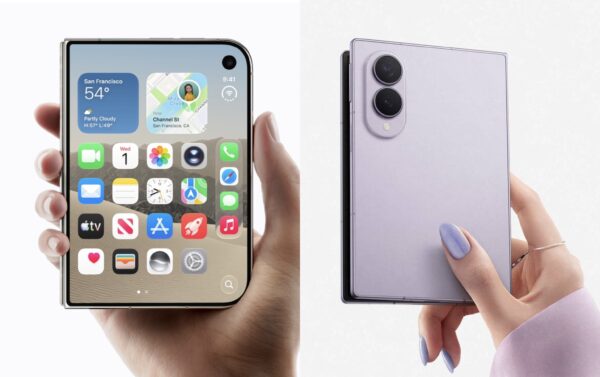
Both have 7.6-inch inner displays, compact outer screens and enough processing power to handle demanding tasks. But their approaches differ, particularly when it comes to weight, cameras and the software experience.
Welcome to the foldable phone battle we have been waiting for.
With iStore South Africa opening up pre-orders today and releasing iPhone Duo prices, we thought it best to share a comparison between the Duo and Z Fold8 as they share a similar passport-sized form factor:

THE BIGGEST SURPRISE? THEY LOOK REMARKABLY SIMILAR
For years, book-style foldables were tall, narrow devices that could feel slightly awkward when closed. In 2026, Apple and Samsung appear to have reached roughly the same conclusion: make them shorter, wider and a little more passport-like.
The iPhone Duo opens to a 7.6-inch display and has a 5.4-inch outer screen. Samsung’s Galaxy Z Fold8 is almost identical, with a 7.6-inch inner display and a 5.5-inch cover screen.
That similarity means the decision comes down to more than screen size. How comfortable the phones are to carry, how useful their software is on the larger display and how well they fit into your existing tech setup could matter more than a fraction of an inch.
The real design shock comes from weight. Samsung has brought the Galaxy Z Fold8 down to 201g, compared with Apple’s 254g. That’s a 53g difference, which is significant when you’re carrying a phone throughout the day.
Samsung has a clear advantage here. For anyone who has found previous foldables too bulky, a lighter device could make a noticeable difference to everyday comfort.
APPLE BETS ON EXPERIENCE, NOT BIGGER NUMBERS
The iPhone Duo is unmistakably Apple’s approach to foldables. Rather than competing on camera count or battery capacity alone, Apple has built the Duo around the A20 Pro, iOS 27, Apple Intelligence and an interface designed to move between its two displays. Side-by-side multitasking and Apple Pencil support also give the larger screen a more productive role.
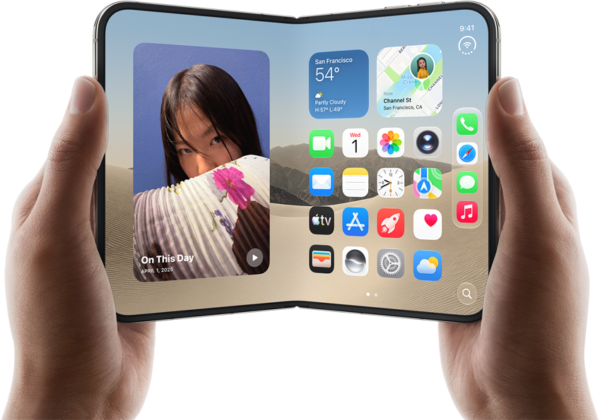
For existing iPhone users, that could be the biggest attraction. The Duo brings a folding display into an ecosystem they already know, with familiar apps, services and integration with other Apple devices.
Its weakness is the camera specification. You get a 48MP main camera and a 48MP ultra-wide camera, with up to 2x optical-quality zoom, but no dedicated telephoto lens. For a premium device, that’s a compromise worth considering, particularly for anyone who regularly photographs distant subjects or wants the flexibility of a dedicated zoom camera.
Then again, people buying an iPhone Duo aren’t necessarily looking for a megapixel victory. They’re buying a folding iPhone, with all the convenience and ecosystem integration that comes with it.
GALAXY Z FOLD8 FEELS LIKE THE SENSIBLE CHOICE
“Sensible” sounds like a strange word for a premium folding smartphone, but hear us out. Samsung has been making foldables for years, and the Galaxy Z Fold8 benefits from that experience.
It combines a 7.6-inch inner display with the Snapdragon 8 Elite Gen 5 for Galaxy, a 4 800mAh battery and Galaxy AI. Its redesigned proportions also make the outer display more like a conventional smartphone, reducing the need to unfold the device every time you want to reply to a message or check something quickly.
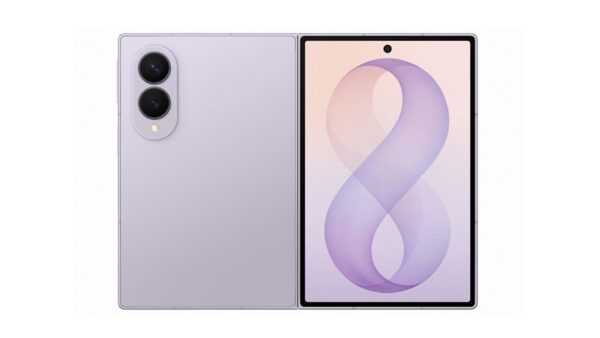
The 201g weight is another major selling point. At 53g lighter than Apple’s iPhone Duo, the Fold8 has a clear advantage for anyone who wants a large screen without carrying a particularly heavy phone.
Price is another consideration. With the Galaxy Z Fold8 starting at R41 000 for the 256GB model, it undercuts the iPhone Duo’s R47 999 starting price by nearly R7 000.
Ultimately, Samsung makes a strong case for the more practical purchase, thanks to its lighter design, lower starting price and years of foldable experience. But if you’re already invested in Apple’s ecosystem and have been waiting for a folding iPhone, the Duo could be worth the premium. The sensible choice, as always, depends on what matters most to you.
WHICH FOLDABLE WOULD WE CHOOSE?
There isn’t one universal winner, and that’s what makes this comparison interesting. The iPhone Duo is the obvious choice for committed Apple users who want a folding iPhone that offers a larger screen for multitasking, entertainment and productivity.
Apple may be arriving later to the foldable market, but its combination of hardware, software and ecosystem integration could help make the format more appealing to mainstream buyers.
The Samsung Galaxy Z Fold8 is the more practical choice for those who prioritise a lighter device and an established foldable experience. It offers a similarly sized inner display in a body that’s 53g lighter than the iPhone Duo, along with Samsung’s foldable software features and local availability.
Ultimately, the decision comes down to the experience you want. Apple’s appeal is its ecosystem and familiar interface, while Samsung’s strongest argument is its lighter design and years of experience refining the foldable format.
Perhaps the real winner is the category itself. For years, folding phones felt like expensive technology demonstrations. With Apple now entering the market alongside established players such as Samsung, foldables have a stronger chance of becoming a genuine alternative to the conventional smartphone in your pocket.


Recharged is an independent site that focuses on technology, electric vehicles, and the digital life by Nafisa Akabor. Drawing from her 19-year tech journalism career, expect news, reviews, how-tos, comparisons, and practical uses of tech that are easy to digest. Nafisa is a traveller at heart, having been to 46 countries and counting. Find her edutainment videos covering tech, EVs and travel on TikTok.