
IFA 2026 was full of AI-labelled appliances, but the genuinely interesting theme was more practical: technology that does more of the work, makes fewer demands on us, and in Xiaomi’s case, rethinks the shape of the phone itself.
XIAOMI
Leading the show was the Xiaomi 18 Fold, a compact “mid-fold” device that makes a persuasive case for foldables becoming easier to carry rather than simply bigger when opened.
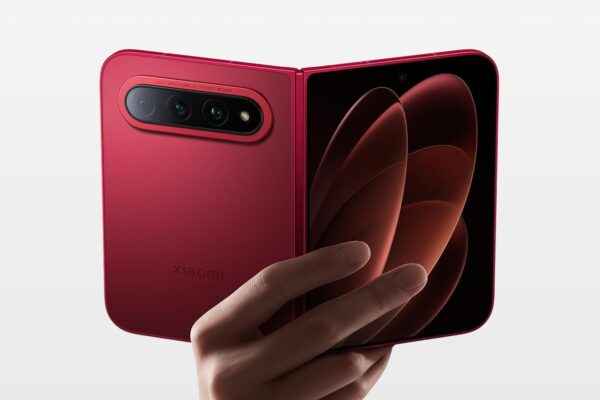
Xiaomi arguably delivered the most consequential phone story with the 18 Fold. Its passport-like design gives you a 5.38-inch outer display for normal one-handed use, then a more paper-shaped 7.58-inch internal display when you need room to edit, watch or multitask; both reach adaptive 120Hz.
More importantly, Xiaomi fits a 6,000mAh silicon-carbon battery into a 219g, 10.68mm-folded chassis, alongside 67W wired and 50W wireless charging. A Leica-branded triple-camera system includes a 200MP main camera, 50MP ultrawide and 50MP 3.5x periscope telephoto, while the company’s own 3nm XRING O3 chip makes it a statement about Xiaomi’s growing hardware ambitions as much as its foldable design.
It launched in China on 7 September, with no confirmed South African pricing or availability yet.
LG
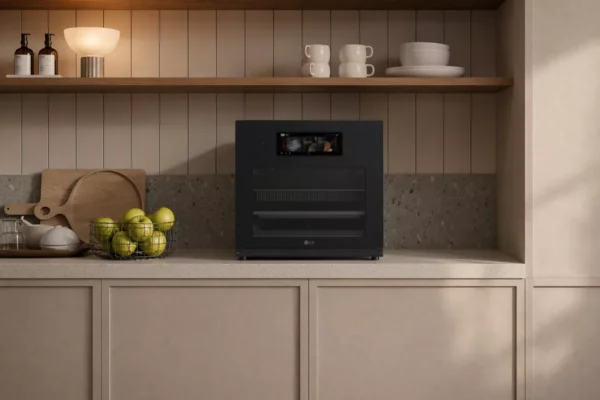
LG approached IFA from two very different directions. In the kitchen, its B900 Camera Oven uses an internal camera for live food monitoring, browning alerts, recipe recommendations and cooking time-lapses – useful in principle because it lets users check a roast without repeatedly opening the door and losing heat.
It also combines that camera intelligence with Inverter ProBake heating, a 6.8-inch display and an A++ energy-efficiency classification.
At the other end of the spectrum, the UltraGear 25G590B gaming monitor makes 1,000Hz the headline: a 24.5-inch Full HD IPS display that refreshes every millisecond, backed by Motion Blur Reduction Pro, NVIDIA G-SYNC Compatible, AMD FreeSync Premium, DisplayPort 2.1 and HDMI 2.1.
It is niche rather than universally necessary; players need a PC capable of producing exceptionally high frame rates but it shows just how specialised esports displays are becoming.
MIELE
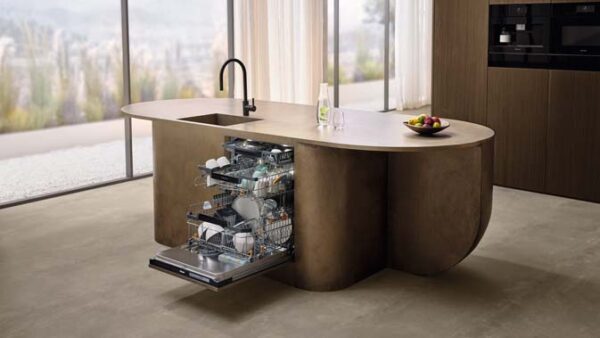
Miele focused on the less glamorous but potentially more valuable side of household AI: reducing decision fatigue. The G8 Diamond dishwasher’s AutoVision camera system can assess the load and identify items such as bottles and pots, then adjust parts of the wash when enabled; it can be paired with load- or time-based starting preferences, AutoDos detergent dispensing and ExcellentDry.
Miele also previewed Cary, a concept washing machine that could use optical sensors to identify fabric types and colours before tailoring the cycle, and introduced CulinaryCoach, an AI cooking assistant that can interpret a recipe or dish description and suggest programmes for compatible ovens.
Its broader message was that the ideal smart home may be one that needs less supervision, including scheduling appliances around energy availability and solar surplus.
ANKER
Anker used IFA 2026 to announce “One Anker”, a gradual consolidation of its five consumer brands: Anker, Eufy, Soundcore, SOLIX and eufyMake, under a single Anker identity.
New products will move first, while existing devices transition over time, with the company organising its range into Anker For You for charging, audio, personal health and creative tools, and Anker For Home for security, robotics and energy.
The move reflects the growing overlap between connected devices, AI, automation and home-energy products: rather than distinct brands for a charger, earbuds, a robot vacuum and a battery system, Anker wants to present one increasingly connected ecosystem. Via Zdnet.
Its IFA robotics story fits neatly into that strategy. The Robot Vacuum Omni S2 offers 30,000Pa suction, a self-cleaning roller mop and AI-powered mapping, but MarsWalker is the real headline: a stair-climbing carrier designed to transport a compatible robot vacuum between levels.
It is an elegant solution to the one-floor limitation that has long kept even the smartest robot vacuums from cleaning an entire multi-storey home independently.
SAMSUNG
Samsung continued the “fewer household decisions” theme with its Bespoke AI Washing Machine.
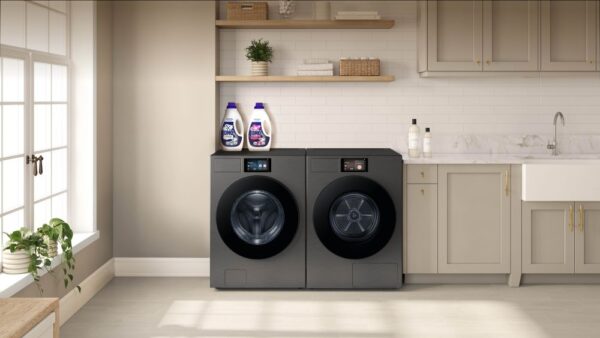
The appliance pairs a large 7-inch interface with AI-led cycle management and efficiency features, while Samsung says selected 9kg WF90F/24 Eco programmes use up to 55% less energy than the threshold for EU Energy Efficiency Class A; its AI Energy Mode can, under specified test conditions, reduce energy use by up to a further 70% on selected programmes.
It also supports Bixby voice features in compatible configurations, including opening the door—small, but the sort of hands-full convenience that makes connected appliances feel more useful than novelty.
DYSON
Dyson put the most unlikely camera of IFA inside a toothbrush. The CameraJet electric toothbrush combines sonic brushing, a liquid flosser and a 100,000-pixel camera near the brush head, analysing 28 images per second to identify gaps between teeth.
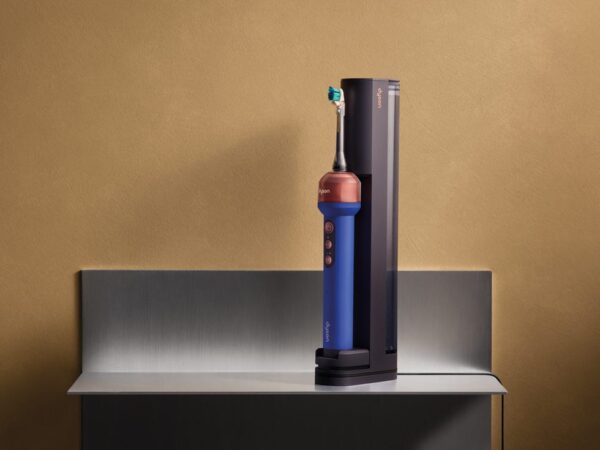
In its automatic mode, it can direct a burst of mouth rinse into those gaps, a form of “precision flossing”, while the MyDyson app provides live viewing, coverage feedback and guidance.
Dyson says the imagery is processed only during live viewing or automatic jetting, and is not stored or uploaded. International pricing starts at US$499.99, with South African availability and official local pricing unconfirmed.
RUSSELL HOBBS
Russell Hobbs took a softer, more emotional approach to smart-home tech with its Calm Connected Kettle and Calm Toaster. The kettle offers variable temperature control, app and smart-speaker controls, a keep-warm mode of up to 40 minutes, quieter boiling, optional sounds, lighting scenes and an integrated speaker compatible with Spotify or Apple Music.
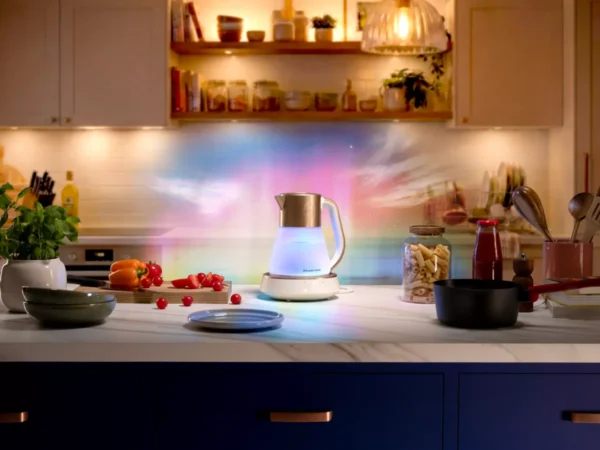
The matching toaster adds illuminated scenes, sounds, touch-controlled automatic lift-and-lower operation, long slots, bagel/frozen/reheat modes and a warming rack. Neither appliance solves a crisis, but both reflect an emerging idea at IFA: products can be designed not only to complete a task, but to make everyday rituals feel better.
HAMA
Hama made a compelling case for health tracking that does not create another subscription. The stainless-steel Ring One smart ring monitors heart rate, HRV, blood oxygen, body temperature, sleep and steps, with support for 120 sports, vibration alerts, 5ATM water resistance and up to four days of battery life.
Its key appeal is that data in the Hama Active app does not require a paid subscription—an increasingly meaningful point in a wearable market where the cost of the device is not always the end of the spend.
THERABODY
Therabody offered the counterintuitive wellness gadget of the show: technology intended to help you stop looking at technology. SmartGoggles 2.0 combine heat, massage and vibration around the eyes and temples, with a biometric sensor that uses heart-rate data to personalise the vibration rhythm.
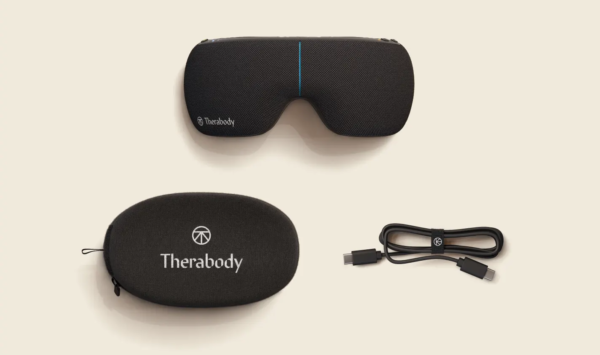
Therabody positions them around relaxation, stress reduction, tension and sleep support; the more grounded appeal is as a structured, screen-free wind-down ritual after a long day of laptops, phones and endless notifications.
IFA TAKEAWAY
The main story wasn’t just that everything now has AI, a camera, or an app. It was that brands are increasingly trying to give these features specific jobs: help a dishwasher recognise its load, stop a robot vacuum being confined by stairs, reduce washing-machine energy use, let an oven monitor browning, or make a foldable phone compact enough to feel like an everyday phone first.
For South Africans, the most relevant products are those that translate cleverness into practical value: better energy management, lower running costs, reliable convenience, and technology that quietly earns its place in the home. The Xiaomi 18 Fold is the flashiest example, but the broader IFA message is that the future of consumer tech may be less about adding screens and setting, and more about getting some of our time and attention back.
IFA 2026 Highlights


Recharged is an independent site that focuses on technology, electric vehicles, and the digital life by Nafisa Akabor. Drawing from her 19-year tech journalism career, expect news, reviews, how-tos, comparisons, and practical uses of tech that are easy to digest. Nafisa is a traveller at heart, having been to 46 countries and counting. Find her edutainment videos covering tech, EVs and travel on TikTok.