
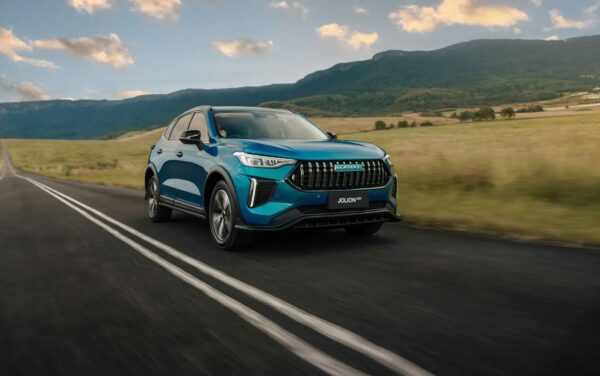
South Africa’s car market has seen a steady influx of new brands, along with continued growth from established players.
Naked Insurance’s car insurance quote data shows that consumers are increasingly considering these new brands.
In January 2026, emerging brands accounted for 10% of car insurance quotes on Naked’s platform, up from 5% in January 2025.
The data also showed that Chery and Haval are receiving the highest level of interest among South African car buyers, with Jetour, another Chery-owned brand, rapidly catching up.
This trend aligns with wider industry reports showing emerging brands gaining greater visibility in both the new and used vehicle markets. They’re also appearing more frequently in sales and popularity rankings.
Ernest North, co-founder of Naked says South Africans are clearly becoming more open to emerging vehicle brands as they look for cars that offer a strong balance of price, features, design and practicality.
“In many conversations about cars today, people are asking whether these brands are worth considering, whether they can be trusted, whether parts and servicing will be available, and whether they offer the kind of value and reliability that could make them a serious long-term alternative to the established favourites,” says North.
Naked’s data suggests these brands are firmly in the consideration set for a growing number of buyers.
“It would be a mistake, however, to see the rise of emerging brands as purely being about price. Many consumers are gravitating towards these makes because they are building a reputation for offering strong specifications, comfortable interiors and modern designs that compare favourably with more established brands. ‘Value for money’ used to mean fewer features and more compromise. The new entrants are challenging that perception.”
North says buyers who are drawn to emerging brands primarily for their value for money should compare cars based on total cost of ownership, rather than price alone. That means understanding the full monthly and long-term cost of the vehicle before making a final decision.
Some important elements to consider include:
- Insurance: If you are financing your car, the lender will require you to get comprehensive car insurance. Even if you are not buying on finance, insurance is still important to protect yourself against loss and liability. It is worth getting an insurance quote before signing a finance agreement so that you can budget accurately for the full monthly cost of ownership. With Naked Insurance, you can get a final car insurance quoteonline in minutes.
- Fuel economy: For hybrid and traditional internal combustion engine cars, fuel will be one of the biggest monthly running costs. Do not solely rely on the fuel consumption numbers in the brochure. Look for real-world owner feedback and independent testing to get a more realistic picture of fuel consumption.
- Servicing and maintenance: Many emerging brands are offering attractive warranties and service or maintenance plans to strengthen their value proposition, with some even advertising one-million-kilometre warranties. Buyers should read the fine print carefully to understand exclusions and conditions. Service plans and warranties usually exclude consumables such as brake pads, windscreen wipers and tyres. It is also important to look into dealer footprint, parts availability and potential waiting times for repairs or servicing.
- Depreciation: Another factor that buyers sometimes overlook is how well a vehicle retains its value over time. Faster depreciation can make a car more expensive in the long run, because you recover less when you sell it or trade it in. Resale value varies widely between brands and models, so it is worth looking beyond the purchase price and considering how the vehicle is likely to hold its value over time.
Says North: “The surge in interest in emerging brands shows that South African consumers are increasingly open to alternatives to long-established vehicle brands, especially as they are trying to make smart financial decisions. The exciting part is that consumers today have more choice than ever, with less compromise on quality, features and design.”


Recharged is an independent site that focuses on technology, electric vehicles, and the digital life by Nafisa Akabor. Drawing from her 19-year tech journalism career, expect news, reviews, how-tos, comparisons, and practical uses of tech that are easy to digest. Nafisa is a traveller at heart, having been to 46 countries and counting. Find her edutainment videos covering tech, EVs and travel on TikTok.