
The Xiaomi Redmi Note 17 Pro Max would tempt me away from my iPhone, mostly because of its battery.
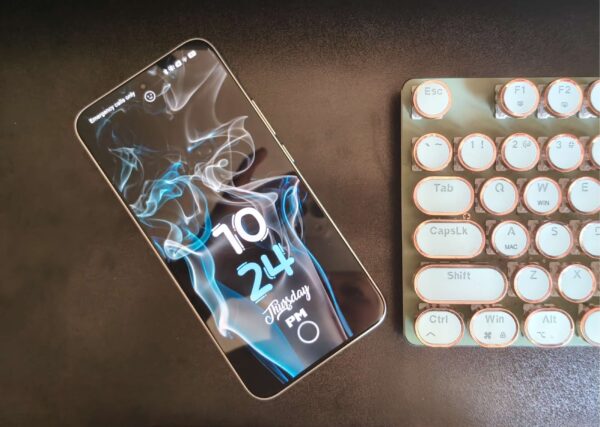
Around 36 hours of mixed use, smooth app switching, and crisp photographs made a convincing impression. Transferring pictures to my iPhone was the sticking point, but endurance was the reason I kept considering a switch.
AUDIOBOOKS, GAMES, F1 TV: MY KIND OF BATTERY TEST
My phone habits involve a fair amount of entertainment. Listening to an audiobook while playing a game is a perfectly reasonable way to spend time, and several sessions on F1 TV added streaming to the mix during this review.
With that use, the Redmi Note 17 Pro Max lasted about 36 hours.
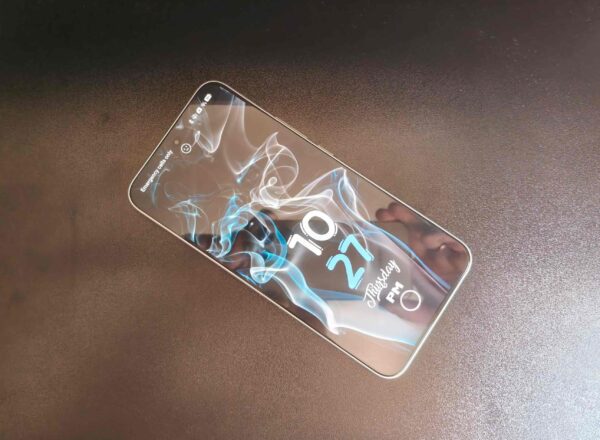
That’s elapsed time between charges, rather than 36 hours of continuous screen use. It’s also my experience with my particular mix of activities, rather than a promise of what everyone will get. Still, it gave me a much more useful impression than leaving the phone untouched and admiring how slowly the percentage dropped.
For people who use their phones for work, entertainment, and keeping in touch, that endurance is a compelling selling point. Having more time between charges makes a difference whether you’re spending a day out or settling in for another streaming session.
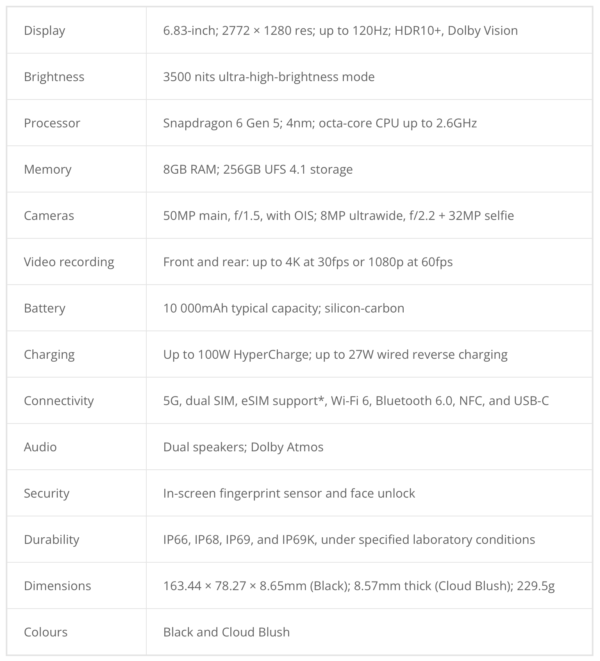
The phone’s 10 000mAh battery is supported by 100W HyperCharge.
CHARGING FROM 5%-100% TOOK 1 HOUR, 32 MINUTES
In my charging session, the battery went from 5% to 100% in 1 hour and 32 minutes. Charging times can vary with the adapter, cable, settings, temperature, and whether you’re using the phone while it’s plugged in.
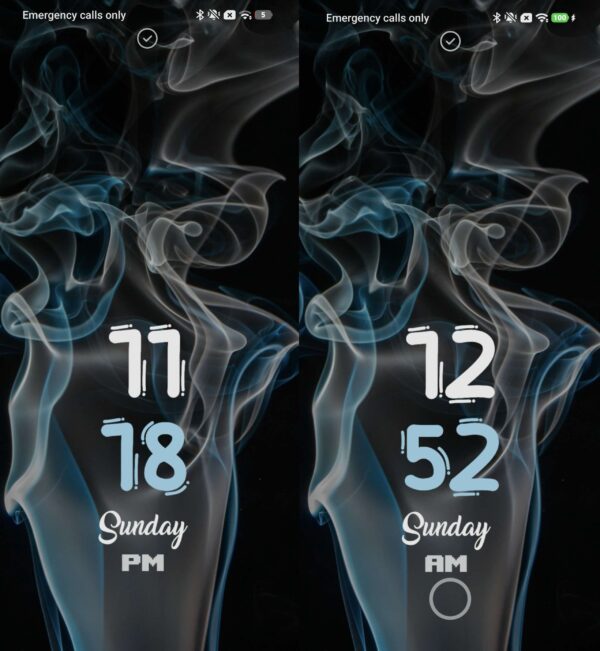
For me, the appeal was the combination of charging and endurance. A recharge that then supported about 36 hours of my mixed use made the phone feel practical, particularly when entertainment was part of the workload.
Would I consider the battery a reason to buy it? Absolutely. It was the feature that made the strongest case for changing my usual phone habits.
SWITCHING APPS WITHOUT THE STUTTER
The Redmi Note 17 Pro Max didn’t lag when I switched between apps during my review.
That sounds like a small thing until you’re dealing with a phone that makes every change of task feel like an interruption. Here, moving between the apps I was using felt straightforward.
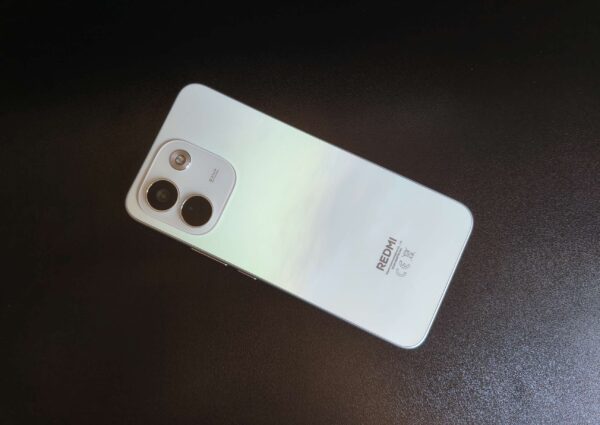
I wouldn’t turn that observation into a claim that it will handle every demanding game or editing project flawlessly. What I can say is that, in my everyday use, app switching didn’t get in the way.
Combined with the battery life, that gave the phone a reassuring sense of being able to keep up.
CRISP PHOTOS WITHOUT MUCH FUSS
I took photographs indoors and outside using the default camera setting and portrait mode, and the results were crisp. They were also brighter than the photographs I took on my iPhone (14 Pro). There’s value in opening the camera, taking the shot, and liking what you see without first working through a collection of settings and filters.

Brighter doesn’t automatically mean more accurate, and my observations don’t establish a winner across every lighting condition or camera mode. They do describe what stood out in the photographs I took: clear results and a brighter look.
For a lifestyle phone, that’s a useful strength. The pictures are part of the experience, whether they’re destined for a social post or simply staying in your camera roll.
MOVING PICTURES BETWEEN PHONES WASN’T STRAIGHTFORWARD
Getting those images onto my iPhone was where I ran into trouble. Transferring between Android phones, however, was easy. Taking a photograph is only the beginning; getting it onto the device where you organise or share it is part of the workflow.
My experience doesn’t mean Android-to-iPhone transfers are impossible. It means that this part of the process wasn’t as easy for me. If your devices are already Android-based, my transfer experience was considerably more encouraging.
BIGGER THAN MY IPHONE, YET IT FELT LIGHTER
The Xiaomi was larger than my iPhone 14 Pro, but it felt lighter to me. That’s a subjective impression of how it sat in my hand, rather than a claim that it weighs less on a scale. Size and perceived weight don’t always line up, and the difference was noticeable enough to be worth mentioning.
I also kept the limits of the review sensible. This was a loan unit, so I avoided deliberate drop and immersion tests. I can discuss how it behaved during my use, but I can’t offer a hands-on verdict on surviving either treatment.
WOULD I SPEND MY OWN MONEY ON IT?
The Xiaomi Redmi Note 17 Pro Max made its strongest argument through battery life. For me, the battery’s charging and longevity make a convincing case for the price of R15 999.
South African buyers should compare the current price for their chosen configuration and any contract’s total cost before deciding, though Black Friday may play a role in a lower price.
Would I switch? I’d be tempted, mostly for the battery life.
Review disclosure: The phone was supplied as a loan unit. Battery, charging, performance, and camera observations reflect my review use; long-term durability and battery health weren’t assessed.
Review: Xiaomi Redmi Note 17 Pro Max


Recharged is an independent site that focuses on technology, electric vehicles, and the digital life by Nafisa Akabor. Drawing from her 19-year tech journalism career, expect news, reviews, how-tos, comparisons, and practical uses of tech that are easy to digest. Nafisa is a traveller at heart, having been to 46 countries and counting. Find her edutainment videos covering tech, EVs and travel on TikTok.