
Xiaomi’s new Redmi Note 17 line arrives in South Africa with three 5G phones, prices from R9 299, and a clear bet on long battery life, tougher builds, and flagship-style features at mid-range prices.
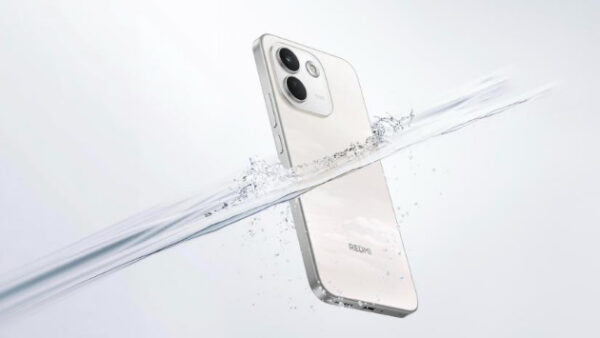
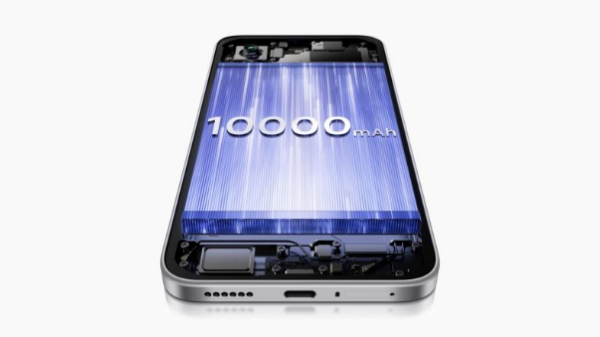
The Pro Max leads with a 10,000mAh battery; the Pro 5G and standard 5G offer less costly ways into the range.
Launched in Johannesburg on 8 October, the series marks the first time Redmi Note has used the “Pro Max” name. Xiaomi says more than 500 million Redmi Note devices have been sold worldwide.
In South Africa, the range is as follows:
- Redmi Note 17 5G
- Redmi Note 17 Pro 5G
- Redmi Note 17 Pro Max 5G
THREE MODELS, THREE KINDS OF BUYER
The Redmi Note 17 5G, announced at R9 299, is the entry point for people who want 5G, a large screen, and a big battery without paying for a Pro model.
It has a 7700mAh silicon-carbon battery, 45W charging, 22.5W reverse charging, a 6.998-inch 120Hz display, Snapdragon 4 Gen 4 processor, and IP65 dust and splash protection.
It comes in Sky Teal and Timeless Black, with 6GB RAM and 6GB memory extension noted at launch.
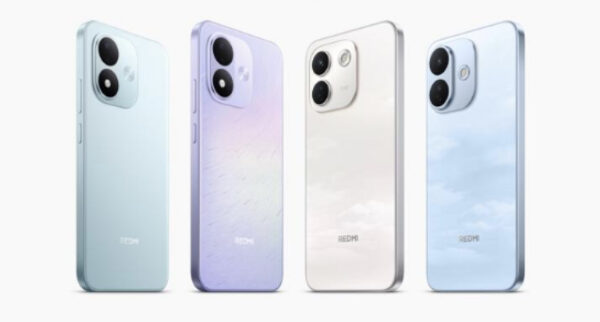
At R12 999, the Redmi Note 17 Pro 5G sits between the everyday model and the range’s battery-focused flagship. Its 8340mAh battery, 67W HyperCharge, 6.83-inch 1.5K AMOLED display, Snapdragon 6S Gen 4, and 300% volume boost make it the step-up option for users who want a more premium display and faster charging.
It is available in Sky Blue and Timeless Black.
The Redmi Note 17 Pro Max 5G, from R15 999, is for people who place endurance and durability high on their list. Its 10 000mAh battery supports 100W HyperCharge and 27W reverse charging.
Xiaomi says it can deliver up to 40 hours of continuous video playback under its test conditions and retain 80% battery capacity after 1,600 charge cycles.
The 6.83-inch 1.5K AMOLED screen is rated at up to 3,500 nits peak brightness. The phone also has a 32MP selfie camera, 4K video, dual-view recording, and AI tools including writing assistance and real-time interpreting.
Its Snapdragon 6 Gen 5 platform is paired with six years of software support. Cloud Blush changes tone in sunlight; Timeless Black is also available.
In practical terms, the standard model is the lower-cost big-battery option; the Pro adds a faster, more premium-feeling package; and the Pro Max pushes battery capacity, charging speed, and ruggedness furthest. The chipsets are mid-range, so the headline is endurance and everyday capability rather than top-tier gaming performance.
WHAT “TITAN QUALITY” MEANS AND DOESN’T
Xiaomi highlights IP66, IP68, IP69, and IP69K ratings for the Pro Max, plus SGS five-star drop-resistance certification. The launch presentation described submersion up to two metres for 72 hours and an underwater mode controlled with physical buttons.
Xiaomi’s product notes clarify that its three-metre drop test used a smooth granite surface under SGS test conditions; real drops can still damage the phone. The IP ratings also come from controlled laboratory conditions, and Xiaomi says liquid damage outside those test conditions isn’t covered by warranty.
Water resistance can weaken through wear, physical damage, or repair, so the ratings aren’t a reason to treat the phone as waterproof in every situation.
The standard Redmi Note 17 5G has IP65 dust and splash protection, Gorilla Glass 7i, and Wet Touch 2.0. These features should help with everyday knocks and damp fingers, but they don’t make accidental damage impossible.
XIAOMI’S GROWTH PLAN AND THE QUESTIONS STILL OPEN
Asked how Xiaomi intends to compete with Samsung and Honor, South Africa country manager Tianshi Lv didn’t offer a direct head-to-head comparison.
He framed Xiaomi’s pitch as “innovation for everyone”, pointing to value, durability certifications, and Xiaomi’s broader AI ecosystem alongside Google’s Gemini. The company’s strategy is to put premium technologies within reach of more buyers.
He described South Africa as a strategic market, but said Xiaomi currently offers only a small portion of its wider range here. The company plans to bring more products over time across its Xiaomi, Redmi, Poco, Mijia, and Cyber lines. That gives a sense of its growth approach for the next year, though he did not set a market-share goal or provide a sales forecast.
When asked how many Redmi Note 17 phones Xiaomi expects to sell, he declined to give a number, saying the company was receiving positive feedback and cared most about users’ experience. He also didn’t identify Xiaomi’s current best-selling phone in South Africa.
SA PRICE, AVAILABILITY AND SERVICE
Launch prices were R9 299 for Redmi Note 17 5G, R12 999 for Redmi Note 17 Pro 5G, and R15 999 for Redmi Note 17 Pro Max 5G.
Xiaomi launched the range on 8 October, but the information available at the event didn’t confirm exact on-sale dates, storage configurations beyond the standard model’s 6GB RAM configuration.
Xiaomi’s South African launch page advertises one free screen replacement within 24 months and one free battery replacement within 36 months, subject to terms.
For now, the Redmi Note 17 range’s strongest promise is clear: less time looking for a charger, with the Pro Max offering the biggest battery in the lineup.
Whether that matters more than weight, camera needs, or processing power will determine which model makes sense for each buyer.
Xiaomi's Redmi Note 17 lands in SA


Recharged is an independent site that focuses on technology, electric vehicles, and the digital life by Nafisa Akabor. Drawing from her 19-year tech journalism career, expect news, reviews, how-tos, comparisons, and practical uses of tech that are easy to digest. Nafisa is a traveller at heart, having been to 46 countries and counting. Find her edutainment videos covering tech, EVs and travel on TikTok.