
TikTok is trying to make it easier for South African creators to turn their content into actual business opportunities, with TikTok One now officially available in the local market.
That was the key message from the TikTok 360 event in Johannesburg on Tuesday, 22 September, which brought together creators, brands, agencies and media to discuss everything from content creation and safety to monetisation and brand partnerships.
For Itumeleng Morule, Communications Lead for TikTok South Africa, the platform has evolved beyond being simply somewhere to watch short videos.
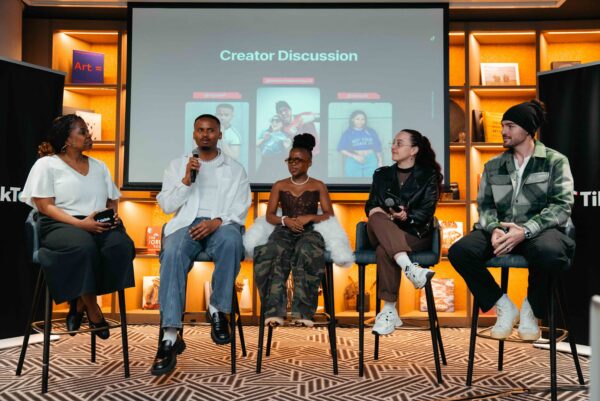
“TikTok is global. It’s experienced and shaped by local creators, communities, cultures, and interests,” she said, pointing out that South Africans use the platform for everything from music, humour and sport to food, gaming, anime and broader social conversations.
Morule described TikTok as a place where users might open the app for entertainment but “accidentally also learn something new along the way”.
That ability to discover content, rather than necessarily searching for something specific, is central to how TikTok sees the platform and how brands are using it.
INTRODUCING TIKTOK ONE
TikTok One brings together creators, brands and agencies, giving creators several ways to find or participate in commercial opportunities.
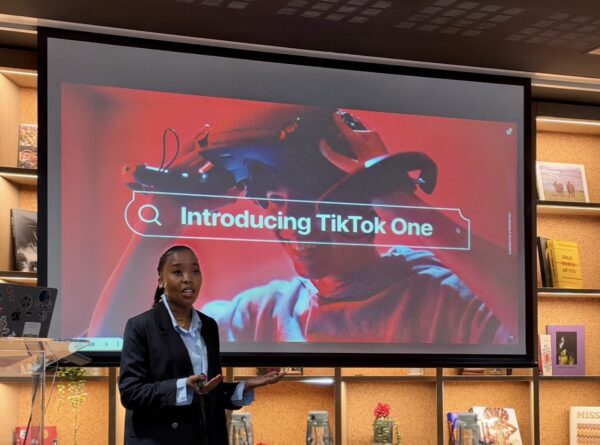
TikTok One brings creators, brands and agencies together in one ecosystem, with several ways for creators to find or participate in commercial opportunities.
The first is Content Suite, also referred to as Spark Opportunity. This is aimed at creators who want to potentially earn from videos they have already published.
The creator needs at least 500 followers and must be signed up for TikTok One. If a brand discovers an existing video and wants to put advertising spend behind it as a Spark Ad, the creator can receive an invitation to authorise the video or, in some cases, their account.
Important to note: authorising content does not mean a creator is guaranteed payment. The brand still has to activate the content as an ad.
TikTok says compensation is linked to the performance of the campaign and the advertiser’s investment. Payments are made through the TikTok One wallet on the 15th of the following month.
Content Suite can also identify high-ranking videos using TikTok’s AI-driven content analysis and send eligible creators invitations to join the Spark Opportunity programme.
The second route is Creative Challenge, where creators make new content in response to a brand brief. Here, the minimum threshold is 1,000 followers, and campaigns appear in the opportunities area of Creator Marketplace through TikTok Studio.
The creator signs up for a campaign, produces the video according to the brand’s requirements and publishes it as sponsored content. Again, earnings are linked to performance and advertiser investment, and simply creating or publishing the content does not guarantee payment. The brand needs to activate the content as an ad.
The third option is Creator Led Package, which involves approved creator marketing agencies. Creators are invited based on the requirements of individual campaigns.
TikTok’s advice here is fairly straightforward: understand the deliverables, payment terms and timing before starting the work, because these can differ between brands, projects and agencies.
WHAT ARE CREATORS ACTUALLY EARNING?
This was the question I put to Zethu Mthethwa, Head of Sales for Sub-Saharan Africa at TikTok. The answer: there isn’t a South African figure to share yet.
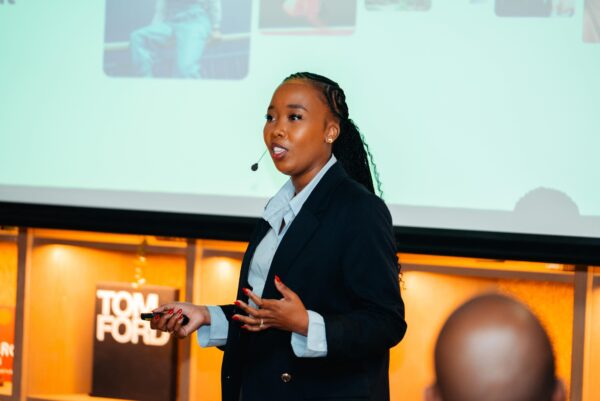
TikTok One launched locally in the first quarter of 2026, and Mthethwa said the initial focus was on driving the trial for the market. When I pushed for a figure around the value of deals or creator payouts since launch, she pointed to the global growth of the platform. Globally, TikTok says it has issued 90% more payments to creators year-on-year.
TikTok also isn’t just waiting for brands to find the platform. Mthethwa confirmed that her global business solutions team actively works with local advertisers and helps them activate across TikTok’s marketing and advertising solutions, including TikTok One.
Omar Malaeb, Regional Product Marketing Manager for TikTok One also shared global figures showing that creators were participating in more than twice as many TikTok One brand collaborations per month, while monthly reward amounts for established creators had increased by 40% year-on-year.
TikTok pointed out that these are historical global figures, not South African earnings or a promise of what an individual creator will make.
I also asked about the low-value opportunities that sometimes land in creators’ inboxes and whether TikTok sets a minimum amount.
Mthethwa said the calculation is linked to campaign performance and the advertiser’s investment, although she did not disclose the formula.
For creators, a key takeaway is that TikTok One isn’t a straightforward rate card where the number of followers automatically translates into a set payment. The value of an opportunity depends on the campaign and how the content performs. Creators are paid on the 15th of the following month.
ARE AGENCIES BEING CUT OUT?
TikTok One might make it easier for brands and creators to connect directly, but TikTok says agencies aren’t being removed from the picture. Mthethwa confirmed that TikTok’s global business solutions team actively works with local advertisers to develop partnerships and activate them across TikTok’s marketing and advertising solutions, including TikTok One.
And while I asked whether TikTok One could effectively cut out influencer agencies, she said the platform is designed to bring creators, brands and creative agencies together.
Creator Led Packages are one example. TikTok has been working with local creative agencies through this model for the last three years, with agencies helping facilitate opportunities between brands and creators.
For creators, that means TikTok One isn’t about choosing between direct brand relationships and agencies. There are different routes depending on the campaign and how the creator wants to work.
IT’S NOT ONLY ABOUT BRAND DEALS
TikTok One is also part of a broader push around creator monetisation. TikTok already offers features including LIVE Gifts, subscriptions and Work with Artists through its Sound On music platform.
With Work with Artists, creators can opt into campaigns and earn based on how their video performs with a particular song or artist.
Morule also stressed that TikTok’s creator development strategy isn’t simply about putting money into creators’ pockets.
The company wants to help creators build more sustainable careers through workshops, events and partnerships, rather than relying only on once-off brand payments. It feeds into creators turning what started as a hobby into a business.
FOCUS ON PLATFORM SAFETY
Safety was another part of the discussion, with Keagile Makgoba, Head of Communications for TikTok Sub-Saharan Africa, explaining that moderation combines platform policies and controls with technology and human moderators.
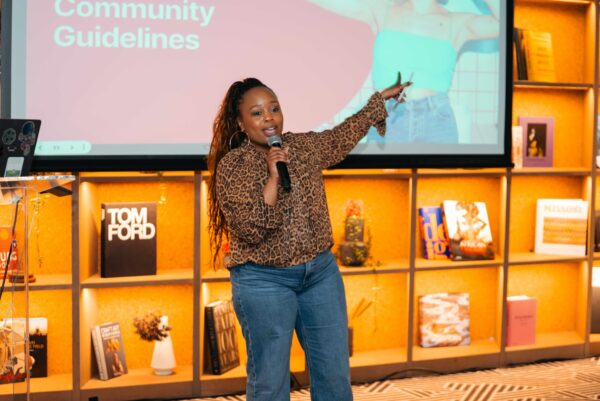
She says that TikTok takes cultural adaptation and local context into account when moderating content and developing its community guidelines.
Makgoba addressed something many creators describe as being “shadow banned”. Rather than assuming an account has been secretly restricted, she explained that content which breaches TikTok’s guidelines may become ineligible for recommendation on the For You feed.
Creators can appeal moderation decisions, and TikTok has a warning and strike system intended to make creators aware when they have breached its rules. The guidelines themselves are developed with input from internal and external experts, as well as safety advisory councils.
Perhaps the most unexpected advice from the day was also the most sensible. Makgoba told creators: “We actually want you to have a life outside of TikTok.”
Her advice was to “touch grass, have fun with your friends, take a nap, and then come back and enjoy again”.
For a platform focused on turning creativity into commerce, it was a useful reminder that behind all the algorithms, brand deals and monetisation tools, the thing that makes TikTok work is still people making content that other people actually want to watch.
For South African creators, TikTok One adds another avenue into brand work. But with no local figure yet on how much money is flowing through the platform, the more interesting story may be what happens next, and whether those opportunities translate into meaningful, sustainable income for creators here.
TikTok One brings creator monetisation to SA

Recharged is an independent site that focuses on technology, electric vehicles, and the digital life by Nafisa Akabor. Drawing from her 19-year tech journalism career, expect news, reviews, how-tos, comparisons, and practical uses of tech that are easy to digest. Nafisa is a traveller at heart, having been to 46 countries and counting. Find her edutainment videos covering tech, EVs and travel on TikTok.